Breakbulk Shipping Blogthumbnail

Breakbulk & Project Cargo: Conquering Complex Moves

What is Breakbulk Cargo?

Breakbulk or non-containerized cargo (NCC) is the term used to describe cargo that is shipped as a single unit because the weight, shape, or size makes it incompatible with a standard container.

Before containerization, the phrase “breaking bulk” meant to unload a ship, which had to be done one piece at a time. This changed when Malcom McLean developed the first container ship in 1956. Now, breakbulk only refers to specific cargo that can’t be loaded into a container.

Project cargo describes breakbulk shipments that are especially complex in terms of weight, size, value, or quantity. This type of freight can pose a unique challenge for shippers because of the extensive planning, documentation, and coordination required. That’s why it’s important to work with an experienced, reliable transportation partner for these specialized shipments.

Some industries that commonly ship breakbulk include:

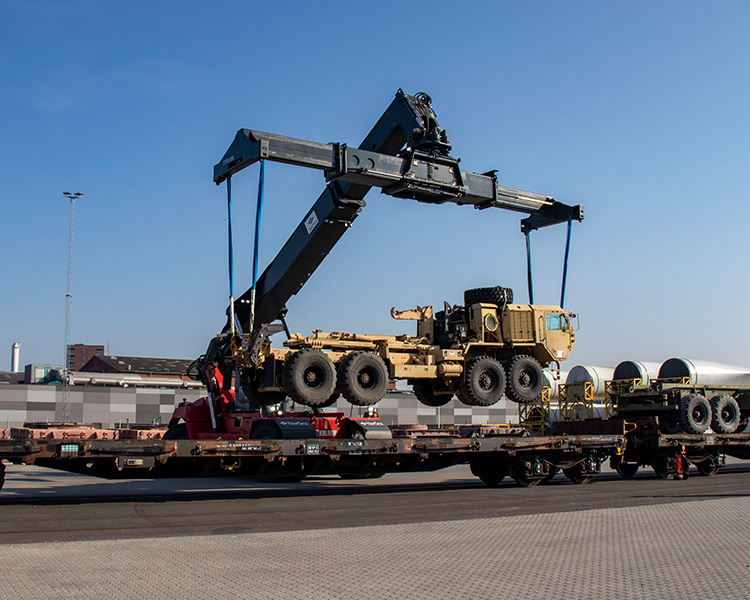
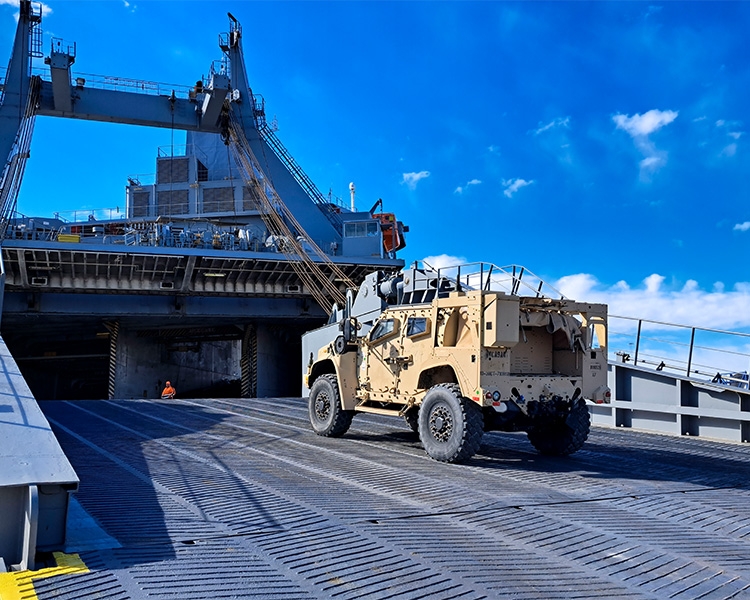
  • Military and Defense: boats, tactical vehicles, equipment, base camp supplies
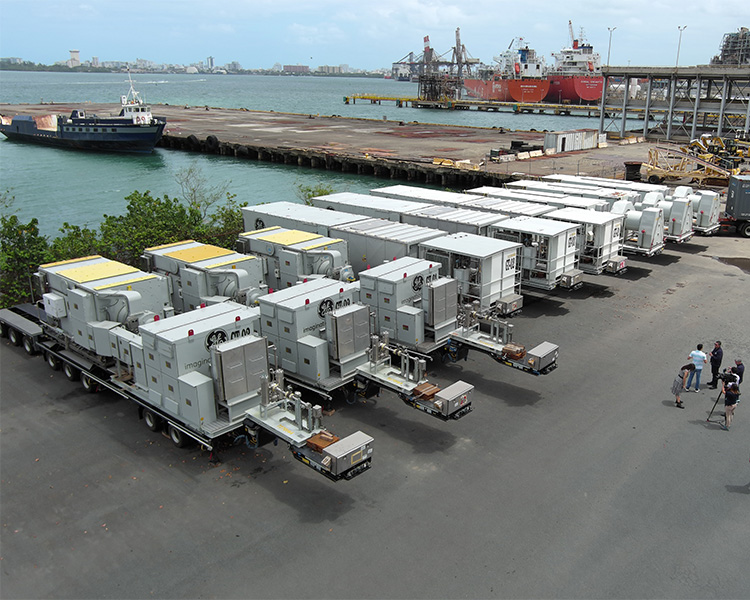
  • Energy: wind turbines, generators, mobile substations
  • Construction: bulldozers, cement equipment, cranes, structural steel
  • Manufacturing: factory machinery, piping, airplane engines
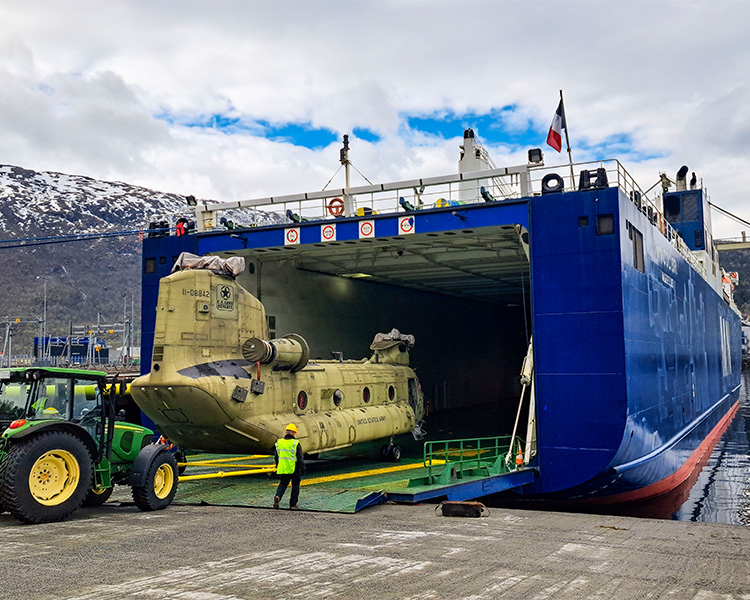
Challenges of Breakbulk Cargo

There are multiple factors that contribute to the complexity of a breakbulk shipment.

Cost

Because of increased handling, breakbulk shipping is more expensive than container shipping. Every piece must be moved individually with specialized equipment, making it much more time consuming than moving uniform containers. Increased cost can also be attributed to the fact that breakbulk items typically take up more space than containers and can’t be stacked. There is a possibility for some large cargo to be disassembled and distributed between containers. But even this method includes additional breakdown and assembly costs at each end.

Specialized Equipment

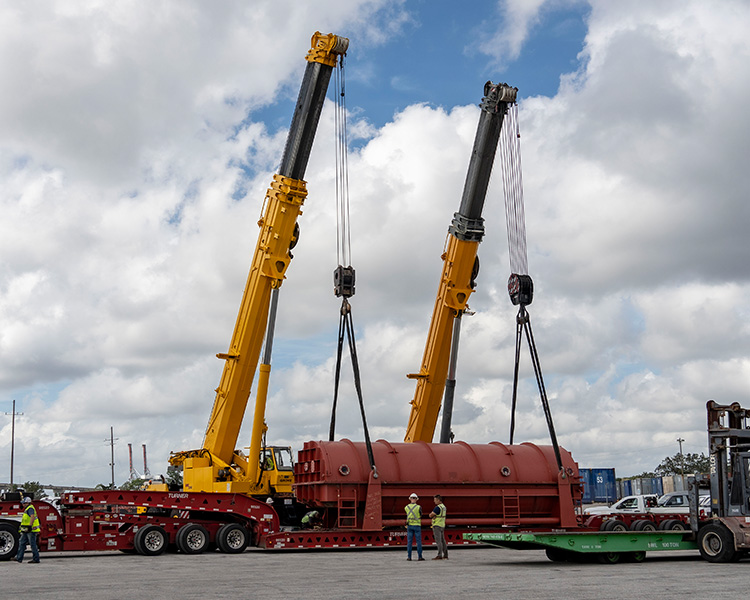
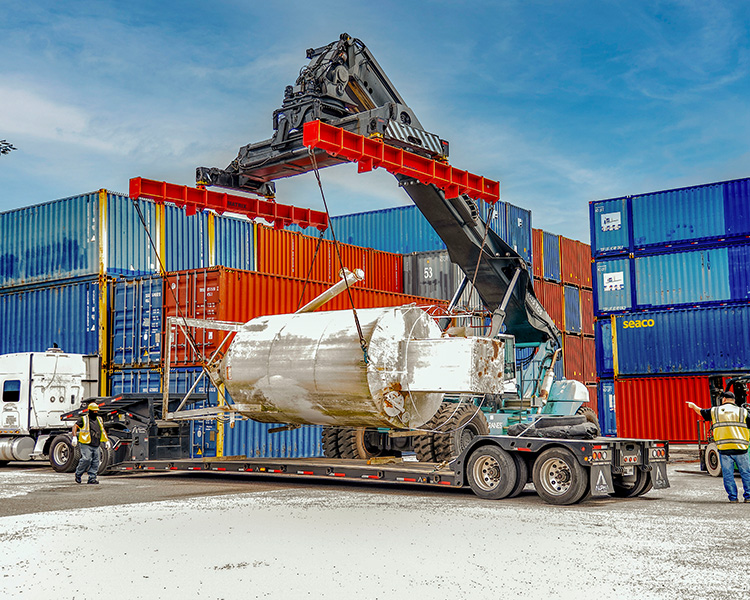
Since breakbulk cargo is often large and heavy, it’s necessary to use specialized equipment built to handle these extremes. Due to the limited quantity and specialized nature, this equipment isn’t always readily available. Additional lead time may be needed for route planning to ensure you have access to the resources needed along the way.

Planning & Coordination

Precise planning is essential to successfully execute a breakbulk shipment, and it starts long before the operation begins. Route planning, compliance, resource allocation, scheduling, insurance, and documentation are among the items that are completed in advance. Once the shipment begins, multiple moving pieces must be coordinated in real time.

Risk Management

Breakbulk (especially project cargo) often involves the movement and handling of high-value items that are on a strict timeline. It’s especially important that possible risks are identified and accounted for to avoid damage, loss, or delay.

Breakbulk Solutions in Action: Past Projects Supporting Critical Cargo Movements

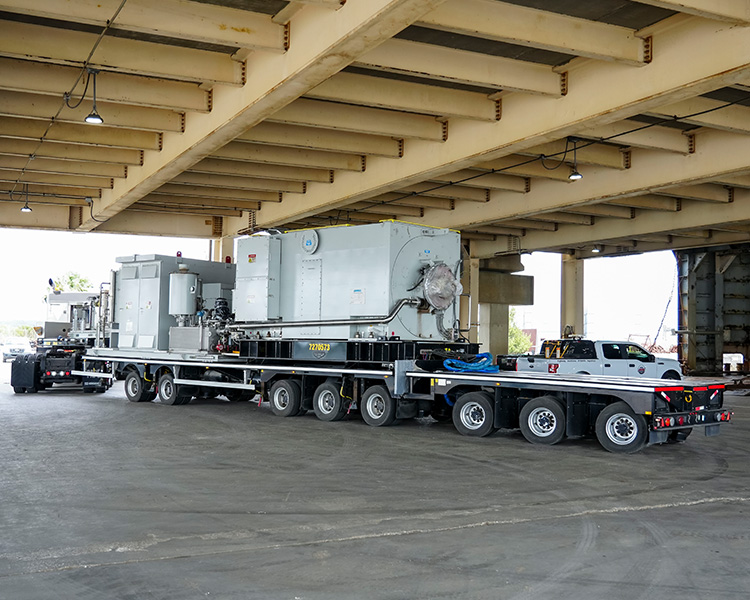
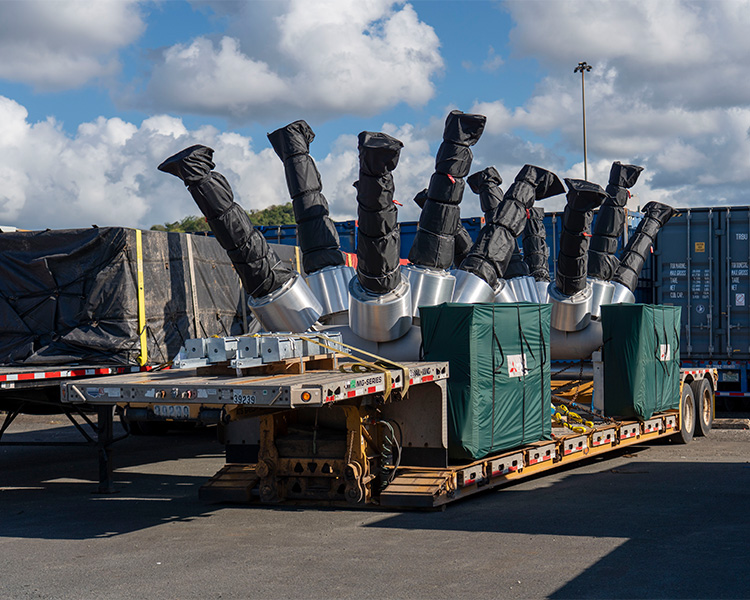
Trailer Bridge’s team of logistics experts understand the intricacies that go into shipping breakbulk and oversized cargo. In one project, the team supported the movement of a 100-foot, 180,000-pound mega-generator from Arizona to Puerto Rico to support power generation needs on the island.

The move was executed in coordination with long-time partner ATS International, which managed the over-the-road transportation both stateside and in Puerto Rico. Trailer Bridge’s roll-on, roll-off barge supported the ocean portion of the move, transporting the 100-plus-foot piece of equipment safely and efficiently to the island.

Projects like this require detailed planning, specialized equipment coordination, precise scheduling, and constant communication between operations teams and customers. Throughout the move, the Trailer Bridge and ATS teams worked closely to coordinate loading requirements, routing, and execution to ensure the oversized unit moved seamlessly across each stage of transport.

This project is one example of Trailer Bridge’s broader experience supporting oversized and mission-critical cargo movements for both commercial and government customers. Through its government and defense logistics capabilities, Trailer Bridge has supported complex transportation requirements tied to military operations, rapid mobilization efforts, and secure cargo movements across international markets. From coordinating oversized equipment under the USTRANSCOM PORTS contract to supporting operational readiness initiatives in Europe through Trailer Bridge Europe, the company continues to execute highly coordinated breakbulk and project cargo solutions around the world.

Whether supporting power generation needs in Puerto Rico or moving specialized government cargo across global networks, Trailer Bridge combines asset-based ocean service, international logistics expertise, and operational coordination to deliver reliable solutions for complex freight.

Trailer Bridge employee working at desk

Get a Custom Breakbulk Solution

Connect with a member of the Trailer Bridge team today to explore logistics solutions for your breakbulk and oversized project cargo freight. Take a different approach to building your supply chain with us – one that prioritizes personalized service every step of the way.

Contact Us

Stay Connected

Join the TB community to receive our quarterly newsletter, company updates, and valuable resource guides—created specifically to enhance your supply chain and support your success.

Employee Cutouts Catfish Newsletter Form

By submitting this form, you agree to the Trailer Bridge Terms & Conditions and the Trailer Bridge Privacy Policy. This may include receipt of email newsletters and updates, advertisements and other information. Manage your communication preferences.

X
Cookie Consent

We use cookies and other tracking technologies to improve your browsing experience on our website, to show you personalized content and targeted ads, to analyze our website traffic, and to understand where our visitors are coming from. Privacy Policy