53-Foot Shipping Containers: Benefits, Uses and When They're the Right Choice
Every transportation decision impacts cost, inventory and customer service. For manufacturers and distributors shipping freight between the U.S. and the Caribbean, choosing the right shipping container can improve equipment utilization, reduce handling and create a more efficient supply chain.
While 20- and 40-foot containers are the international standard for ocean shipping, many companies serving Puerto Rico and the Caribbean can also take advantage of 53-foot domestic containers. Understanding when to use each option can help shippers maximize capacity while keeping freight moving efficiently.
Why 53-foot containers are common in the Puerto Rico trade
Unlike international trade lanes, the Puerto Rico trade operates under the Jones Act, which requires cargo moving between U.S. ports to travel on U.S.-built, U.S.-owned and U.S.-crewed vessels.
Because Puerto Rico is part of the U.S. domestic transportation network, Jones Act carriers can utilize 53-foot domestic containers in addition to standard 40-foot containers. This provides many shippers with the opportunity to move significantly more freight in a single shipment while maintaining seamless connections across truck, rail and ocean transportation.
In this guide, we'll compare the most common container sizes used in Caribbean shipping, explain when each is the right choice and explore why many manufacturers and distributors rely on 53-foot containers to improve supply chain efficiency.
Common Container Sizes Used in Shipping
A shipping container is often used to move cargo from origin to final destination. For freight moving internationally, shippers will choose between a 20-foot or 40-foot standardized ISO container. ISO stands for International Organization for Standardization and ensures the containers are built to strict global specifications that enable them to safely be transferred between ships, trains and trucks worldwide.
In the Caribbean trade, specifically freight moving from the U.S. to the islands, shippers can also choose to use a 53-foot shipping container. This size container is standard for domestic freight and can also easily be transferred between ocean-going vessels, road or rail.
Shippers can also choose a high-cube option which offers additional height to the box supporting the movement of taller or bulkier cargo.
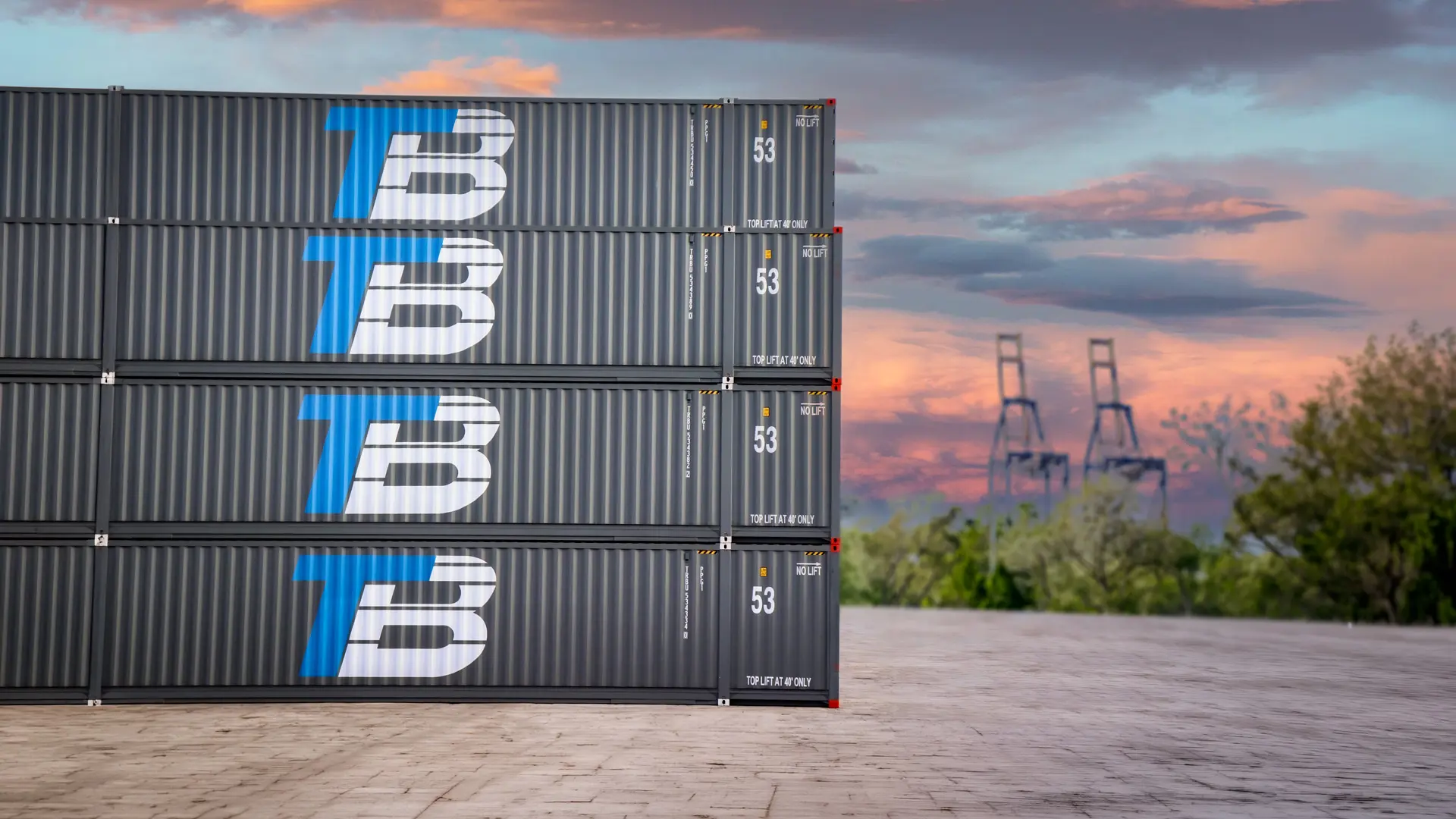
Trailer Bridge is an asset-based provider offering shippers access to 40- and 53-foot-high-cube shipping containers.
Advantages of a 53-foot Shipping Container
More Capacity
A 53-foot-high-cube shipping container offers approximately 60% more cargo capacity than a standard 40-foot-high-cube container. That additional space allows shippers to move more product in a single shipment, improving equipment utilization while reducing transportation costs on a per-unit basis. For businesses moving high-volume or lightweight freight, fewer containers may be required to transport the same amount of cargo, helping simplify supply chain operations.
Better Equipment Allocation
Moving more freight in each container allows shippers to make better use of available equipment across their supply chain. Rather than spreading cargo across multiple containers, larger equipment can consolidate shipments while reducing the number of containers that need to be managed, tracked and repositioned. The result is greater transportation efficiency, streamlined planning and fewer equipment touches throughout the shipping process.
Intermodal Capability
As the North American standard for domestic freight transportation, 53-foot containers are designed for seamless movement between truck, rail and ocean transportation. Cargo can be loaded once at the manufacturing facility and remain in the same container through its journey to the final destination. Eliminating unnecessary cross-docking or cargo transfers helps reduce handling, minimize the risk of damage and keep freight moving efficiently across every mode of transportation.
What types of cargo can move in a 53-foot shipping container?
A 53-foot shipping container is a smart choice for shippers looking to move high-volume, lightweight cargo. The weight of the freight plays an important role when considering this option; if the cargo is too heavy, you will weigh out before you cube out within the container.
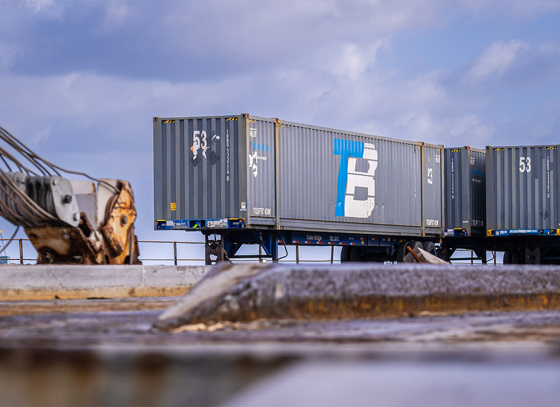
Types of cargo often moved in a 53-foot shipping container:
- Dry Food Products
- Packaged Beverage Products
- Medical Supplies & Equipment
- Household Goods
- Furniture
- Pet Products
- Building Materials & Equipment
- Plastics
How to Choose the Right Shipping Container
Choosing the right shipping container starts with understanding your freight. Cargo weight, shipment volume, destination, mode of transportation and equipment availability all play a role in determining the best fit for your supply chain.
Here are a few general guidelines:
- Choose a 20-foot container for dense, heavy freight. Heavier commodities often reach weight limits before using the container's full cubic capacity, making a smaller container the more efficient option.
- Choose a 20- or 40-foot ISO container for international shipments. These standardized containers are designed for global ocean transportation and are compatible with ports and intermodal networks around the world.
- Choose a 53-foot container for high-volume, lightweight freight moving throughout North America and the Caribbean. The additional capacity allows you to move more cargo in a single shipment while maximizing equipment utilization and reducing handling across the supply chain.
Every shipment is different. An experienced transportation provider can evaluate your freight characteristics, transportation network and business objectives to recommend the equipment that delivers the greatest efficiency and value.
Trailer Bridge helps manufacturers, distributors and retailers optimize freight movement throughout North America and the Caribbean. With asset-based ocean service to Puerto Rico, domestic transportation, intermodal solutions and international shipping, our team can help you select the right equipment to keep your supply chain moving.

Let's Build a Supply Chain That Adapts With You.
Need help determining the right container for your freight? Contact the Trailer Bridge team to discuss your shipment and develop a transportation solution tailored to your supply chain.
- Share


Related Articles

Read More
October 1, 2026
A New Chapter for Trailer Bridge
Our leadership team shares what's next for our people, our customers and Puerto Rico. Trailer Bridge is entering a new…

Read More
September 16, 2026
Investing in the Assets Behind Our Puerto Rico Service
For more than 30 years, Trailer Bridge’s vessels have served as a critical link between Jacksonville and San Juan, carrying…

Read More
September 1, 2026
From Mainland to Market: What Food & Beverage Brands Need to Know About Shipping to Puerto Rico
Expanding into Puerto Rico can open a new market for food and beverage brands but getting products onto store shelves…
Stay Connected