From Mainland to Market: What Food & Beverage Brands Need to Know About Shipping to Puerto Rico
Expanding into Puerto Rico can open a new market for food and beverage brands but getting products onto store shelves on an island adds another layer to the supply chain.
From maintaining temperature requirements to coordinating ocean sailing schedules, equipment and inventory, the transportation strategy behind the product matters. Whether you’re shipping fresh produce, frozen foods, beverages or shelf-stable products, understanding how freight moves between the U.S. mainland and Puerto Rico can help you build a more reliable supply chain.
Here are five things food and beverage shippers should consider when moving products to Puerto Rico.
1. Puerto Rico Is a Domestic Market, but Ocean Transportation Is Part of the Equation
Puerto Rico is a U.S. territory, which means freight moving between the mainland United States and Puerto Rico is considered domestic shipping. But unlike moving products between two points on the mainland, ocean transportation is an important part of the journey.
Cargo moving between U.S. ports and Puerto Rico is governed by the Jones Act, which requires freight to move aboard vessels that are U.S.-built, U.S.-owned, U.S.-flagged and U.S.-crewed. Understanding how the Jones Act applies to Puerto Rico is an important part of navigating the trade.
For food and beverage companies, this means selecting a transportation partner that understands both domestic transportation and the unique requirements of the Puerto Rico trade.
Trailer Bridge provides direct barge service between Jacksonville, Florida, and San Juan, Puerto Rico, giving shippers a scheduled connection between the mainland and the island.
2. The Cold Chain Doesn't Start at the Port
For temperature-sensitive freight, successful ocean transportation starts long before a container reaches the terminal.
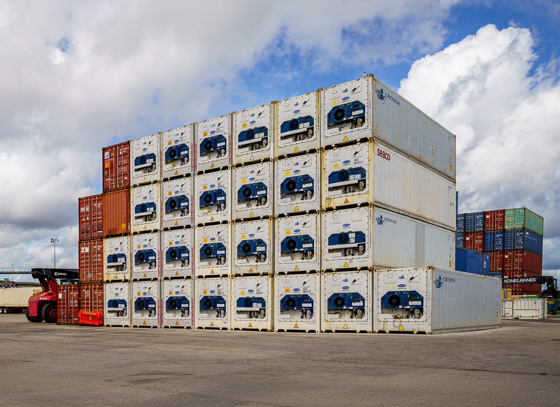
Refrigerated containers, commonly called reefers, are designed to maintain a specific temperature throughout transportation. One common misconception is that a reefer will cool warm products once they're loaded. Instead, products should be brought to the appropriate transport temperature before they're loaded.
How the product is loaded matters, too. Proper airflow inside the container is essential for maintaining a consistent temperature throughout the container.
Shippers should consider:
- Product temperature before loading
- Required reefer temperature settings
- Packaging and pallet configuration
- Airflow around the cargo
- Loading and unloading procedures
- Coordination between inland and ocean transportation
The goal is to maintain the cold chain throughout the entire journey, not just while the product is on the water.
One Bad Pack Can Spoil a Whole Load
A reefer set to the right temperature isn't enough. How you load it decides whether your freight actually stays cold.
3. Build Your Transportation Plan Around Sailing Schedules
Timing is important in every supply chain. When ocean sailing is involved, it becomes even more important.
Missing a truck appointment may mean finding another truck later that day or the next. Missing an ocean sailing can mean waiting until the next scheduled departure, potentially affecting inventory levels, product availability, and shelf life.
Transportation planning for Puerto Rico should work backward from the sailing schedule. Shippers should consider when the product will be ready, how long it will take to reach the port, terminal cut-off times, and when the product needs to be available on the island.
This is especially important for companies managing promotions, seasonal demand or products with limited shelf life. Building ocean schedules into the broader supply chain plan can help keep inventory moving and products available when they're needed.
4. Choose Equipment That Fits Your Supply Chain
The right equipment can make a significant difference in how efficiently freight moves.
Trailer Bridge maintains a fleet of dry and refrigerated containers designed to support freight moving between the U.S. mainland and Puerto Rico. For temperature-sensitive products, high-cube refrigerated containers help maintain required temperatures throughout the ocean portion of the journey.
Our fleet also includes 53-foot dry containers, an equipment option that can be particularly beneficial for companies moving freight between the mainland and Puerto Rico.
The best equipment ultimately depends on the product, volume, temperature requirements and overall supply chain. Having multiple equipment options allows shippers to find the right fit for each shipment.
5. Experience in the Puerto Rico Trade Matters
Moving freight to an island requires coordination across inland transportation, equipment, terminal operations, ocean schedules and final delivery. An experienced transportation partner understands how those pieces work together to anticipate challenges and keep freight moving when plans change.
With more than 35 years serving the Puerto Rico trade, Trailer Bridge understands what it takes to help food and beverage brands build a reliable supply chain to the island — so products don't just make it to Puerto Rico, they make it there ready for what's next.
Let's Talk Food & Beverage Logistics
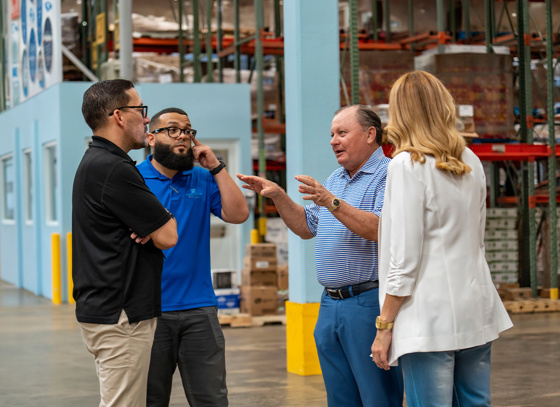
Trailer Bridge will be at the Americas Food & Beverage Show in Miami Beach this September. Stop by Booth #1267 to meet our team and learn how our Puerto Rico ocean service, refrigerated capabilities and Caribbean expertise can help keep your products moving.
- Share


Related Articles

Read More
October 1, 2026
A New Chapter for Trailer Bridge
Our leadership team shares what's next for our people, our customers and Puerto Rico. Trailer Bridge is entering a new…

Read More
September 16, 2026
Investing in the Assets Behind Our Puerto Rico Service
For more than 30 years, Trailer Bridge’s vessels have served as a critical link between Jacksonville and San Juan, carrying…

Read More
August 13, 2026
What Documents Do You Need to Ship Freight to Puerto Rico?
In this guide, we’ll review the information and documents commonly required when shipping freight between the U.S. mainland and Puerto…
Stay Connected