What Documents Do You Need to Ship Freight to Puerto Rico?
Shipping freight to Puerto Rico is considered domestic transportation, but moving cargo by ocean comes with specific documentation requirements. Having the right information in place before your freight leaves the port can help prevent unnecessary delays and keep your shipment on track.
So, what paperwork do you need? The answer depends on what you're shipping. The commodity, value and type of cargo can all affect the documentation required.
In this guide, we’ll review the information and documents commonly required when shipping freight between the U.S. mainland and Puerto Rico.
Bill of Lading (BOL)
The Bill of Lading, commonly referred to as a BOL, is one of the most important documents associated with your shipment and is required when shipping freight to Puerto Rico.
Your Bill of Lading should include important shipment details such as:
- Shipper and Consignee information
- Description of the commodity
- Quantity
- Weight
- Value
- Schedule B number
Providing complete and accurate information is important. Missing shipment values or an incorrect Schedule B classification can hold up documentation and create unnecessary delays.
Schedule B Number
A Schedule B number is a 10-digit U.S.-specific classification code used by the United States Census Bureau to identify commodities for export reporting purposes. The Schedule B number is an important piece of information used when preparing shipping documentation and filing Electronic Export Information (EEI).
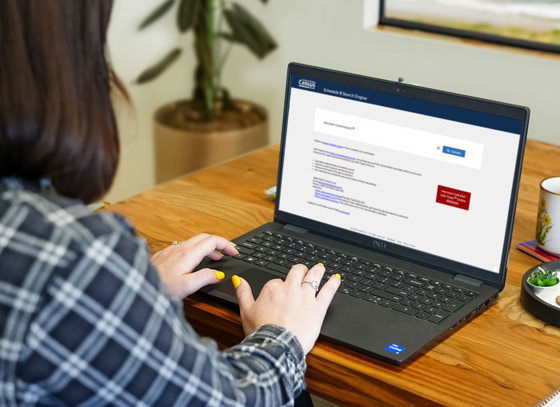
Not sure where to start?
Our Schedule B Number Guide explains what it is, why it matters and how to find the appropriate code for your commodity.
Commercial Invoice
A Commercial Invoice provides information about the goods being shipped including the commodity, quantity, and, most importantly, their value.
Commercial Invoices are required for international shipments. For other shipments, a Commercial Invoice may be requested to supplement the Bill of Lading if additional information, such as the shipment value or commodity details, is needed.
Packing List
A Packing List isn't required for every shipment but may be requested to provide additional detail about what's being shipped.
It typically identifies the number of pieces, cartons or pallets and their contents and can be especially helpful for shipments containing multiple products or pieces.
Electronic Export Information (EEI)
Electronic Export Information, or EEI, is submitted through the U.S. government's Automated Export System (AES) when required.
If Trailer Bridge files the EEI on your behalf, you'll need to provide a completed Letter of Authorization (LOA) giving our team permission to make the filing. The LOA must be completed accurately, including the U.S. Principal Party in Interest (USPPI) EIN. Missing information or errors on the LOA are common reasons documentation may need to be corrected before a shipment can move forward.
If you or your company files its own EEI, you'll instead provide Trailer Bridge with the shipment's Internal Transaction Number (ITN) instead.
Some Cargo Requires Additional Documentation
Documentation requirements can vary depending on what you're shipping. Additional paperwork may be required for:
Hazardous materials
Shipments containing hazardous materials require additional documentation, including an IMO Dangerous Goods Declaration, and must meet applicable requirements for packaging, labeling and handling.
Vehicles and other non-containerized cargo
Proof of ownership is required and may be provided in the form of a vehicle title, Bill of Sale or Commercial Invoice, depending on the type of cargo. Non-commercial customers shipping privately owned vehicles or other non-containerized cargo may also need to provide identification, such as a driver's license or passport.
Inbond freight
Inbond shipments require additional documentation, including the appropriate bond and Customs clearance before the freight can be released.
Other situations may require documents such as a Pickup Authorization, Break Seal Authorization, Hold Harmless Agreement or other shipment-specific paperwork.
Your logistics provider can help you identify any additional requirements that apply to your specific shipment at the time of booking.
The Most Common Documentation Issues to Avoid
Sometimes it's not a missing document that creates a problem, it's missing or incorrect information on the document.
A few of the most common issues the Trailer Bridge team sees include:
- Missing or incorrect Schedule B numbers
- Missing shipment value
- Incomplete shipping instructions
- Missing Commercial Invoice when one is required
- Missing Letter of Authorization when Trailer Bridge is filing EEI
- Errors or missing information on the LOA, including the USPPI EIN
Providing complete shipment information early can help prevent documentation-related delays and keep your freight moving as planned.

Have questions about your shipment’s documentation requirements?
Connect with a member of the Trailer Bridge team for a personalized review of your shipment and guidance on the documentation requirements that may apply to your freight.
This guide is intended as a general resource and should not be considered a complete list of documentation requirements. Documentation requirements may vary based on the specific shipment, cargo and applicable regulations. Shippers should consult with their logistics provider to confirm all documentation required for their shipment.
- Share


Related Articles

Read More
October 1, 2026
A New Chapter for Trailer Bridge
Our leadership team shares what's next for our people, our customers and Puerto Rico. Trailer Bridge is entering a new…

Read More
September 16, 2026
Investing in the Assets Behind Our Puerto Rico Service
For more than 30 years, Trailer Bridge’s vessels have served as a critical link between Jacksonville and San Juan, carrying…

Read More
September 1, 2026
From Mainland to Market: What Food & Beverage Brands Need to Know About Shipping to Puerto Rico
Expanding into Puerto Rico can open a new market for food and beverage brands but getting products onto store shelves…
Stay Connected